When Should You Call a Professional Plumber? Signs You Shouldn’t Ignore
Plumbing problems rarely fix themselves. What starts as a small inconvenience—like a slow drain or a dripping faucet—can quickly turn into a costly repair if left untreated. Knowing when to call a professional plumber can help you avoid serious damage, reduce expenses, and keep your home running smoothly.
Here are the most important signs that it’s time to call a professional plumber:
1. Persistent Clogs or Slow Drains
A single clogged drain is common and can often be resolved with basic tools. However, when clogs become frequent or multiple drains in your home start slowing down at the same time, it may indicate a deeper issue within your plumbing system.
This could be caused by a buildup of grease, soap residue, hair, or debris inside your pipes. In more serious cases, it may point to a blockage in your main sewer line—especially if you notice gurgling sounds, water backing up, or foul odors coming from drains.
Temporary fixes like store-bought drain cleaners may seem effective, but they often only clear part of the blockage and can even damage your pipes over time due to harsh chemicals.
What to do:
Before calling a professional, you can try a few simple solutions:
Use a plunger to dislodge minor blockages and restore flow.
Pour hot water mixed with dish soap down the drain to help break down grease buildup.
If the problem keeps coming back or affects multiple areas of your home, it’s best to call a professional. Advanced tools like drain snakes, hydro jetting, or camera inspections can identify and fully remove the blockage at its source.
2. Unexplained Increase in Your Water Bill
A sudden increase in your water bill without a change in usage is often a red flag. Hidden leaks can occur in places that aren’t immediately visible—such as behind walls, under flooring, or underground.
Even a small, continuous leak can waste a significant amount of water over time, leading to higher utility costs and potential damage to your home’s structure.
You might also notice indirect signs like reduced water pressure, damp spots, peeling paint, or mold growth.
What to do:
There are a couple of ways to check for leaks on your own:
Turn off all water in your home and monitor your water meter—if it keeps moving, you may have a hidden leak.
Check under sinks, around toilets, and near appliances for visible moisture or small drips.
Instead of guessing, a professional plumber can use specialized leak detection equipment to accurately locate the issue without unnecessary damage to your property. Early detection is key to preventing more expensive repairs later.
3. Low or Fluctuating Water Pressure
Low water pressure can turn simple daily tasks into frustrating experiences. While it may sometimes be caused by minor issues—like clogged aerators or fixtures—it can also signal more serious underlying problems.
Possible causes include mineral buildup inside pipes, corrosion, hidden leaks, or even issues with your main water supply line. If the pressure fluctuates (for example, getting weaker when another fixture is in use), this could indicate system-wide inefficiencies.
Over time, these issues can worsen and affect the performance of your entire plumbing system.
What to do:
You can try these quick fixes first:
Remove and clean faucet aerators or showerheads to eliminate mineral buildup.
Check that your main water valve is fully open to ensure proper flow.
If pressure issues persist, it’s important to have a professional inspection. Identifying the root cause early can help avoid more extensive repairs and ensure your system operates efficiently.
4. No Hot Water or Water Heater Problems
A properly functioning water heater is essential for comfort in your home. When you start experiencing inconsistent temperatures, limited hot water, or no hot water at all, it’s a clear sign something is wrong.
Other warning signs include strange noises (like popping or rumbling), rusty or discolored water, and water taking longer than usual to heat up.
These issues are often caused by sediment buildup inside the tank, worn-out components, or simply the age of the unit. Ignoring these signs can lead to reduced efficiency, higher energy bills, or even complete system failure.
What to do:
Before calling for service, try:
Check your thermostat settings to ensure the temperature is set correctly.
Reset the water heater (especially electric units) to see if it restores function.
If the issue continues or your unit is making unusual noises, a professional plumber can evaluate your system, perform necessary maintenance, and recommend whether repair or replacement is the most cost-effective option. In some cases, upgrading to a newer or tankless system may provide better long-term value.
5. Water Stains, Mold, or Musty Smells
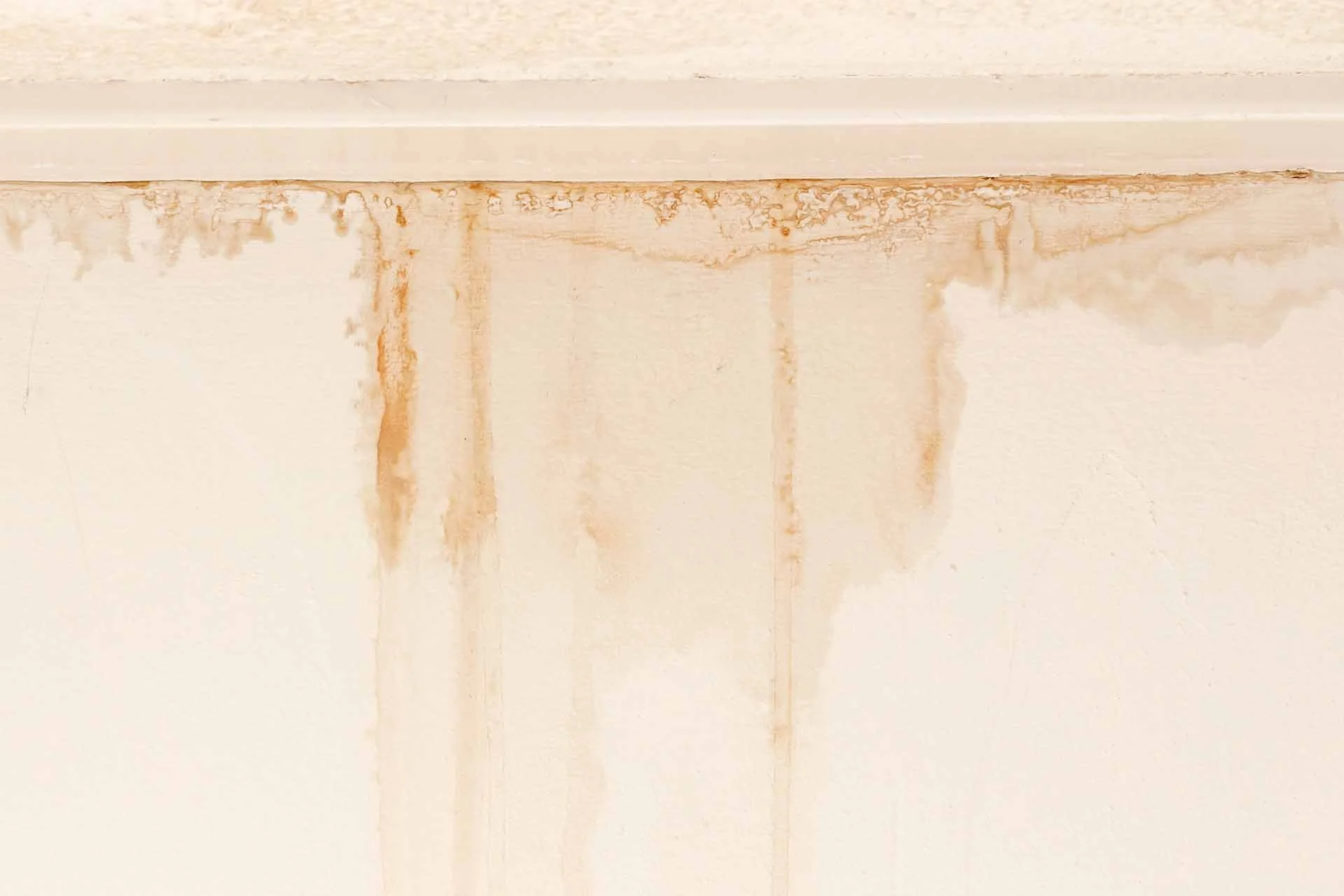
Water damage is not always immediately visible. Stains on walls or ceilings, bubbling paint, warped flooring, or a persistent musty odor are often signs of hidden leaks within your home.
Moist environments can quickly lead to mold growth, which not only damages your property but can also impact indoor air quality and your health.
The longer these issues go unaddressed, the more extensive and expensive the damage can become.
What to do:
Here are a couple of immediate steps:
Dry the affected area and monitor it to see if moisture returns.
Inspect nearby fixtures or pipes for visible leaks or condensation.
If the source isn’t obvious, it’s important to act quickly. A professional plumber can locate the source of the moisture and fix the problem before it spreads further.
6. Sewer Odors or Backups
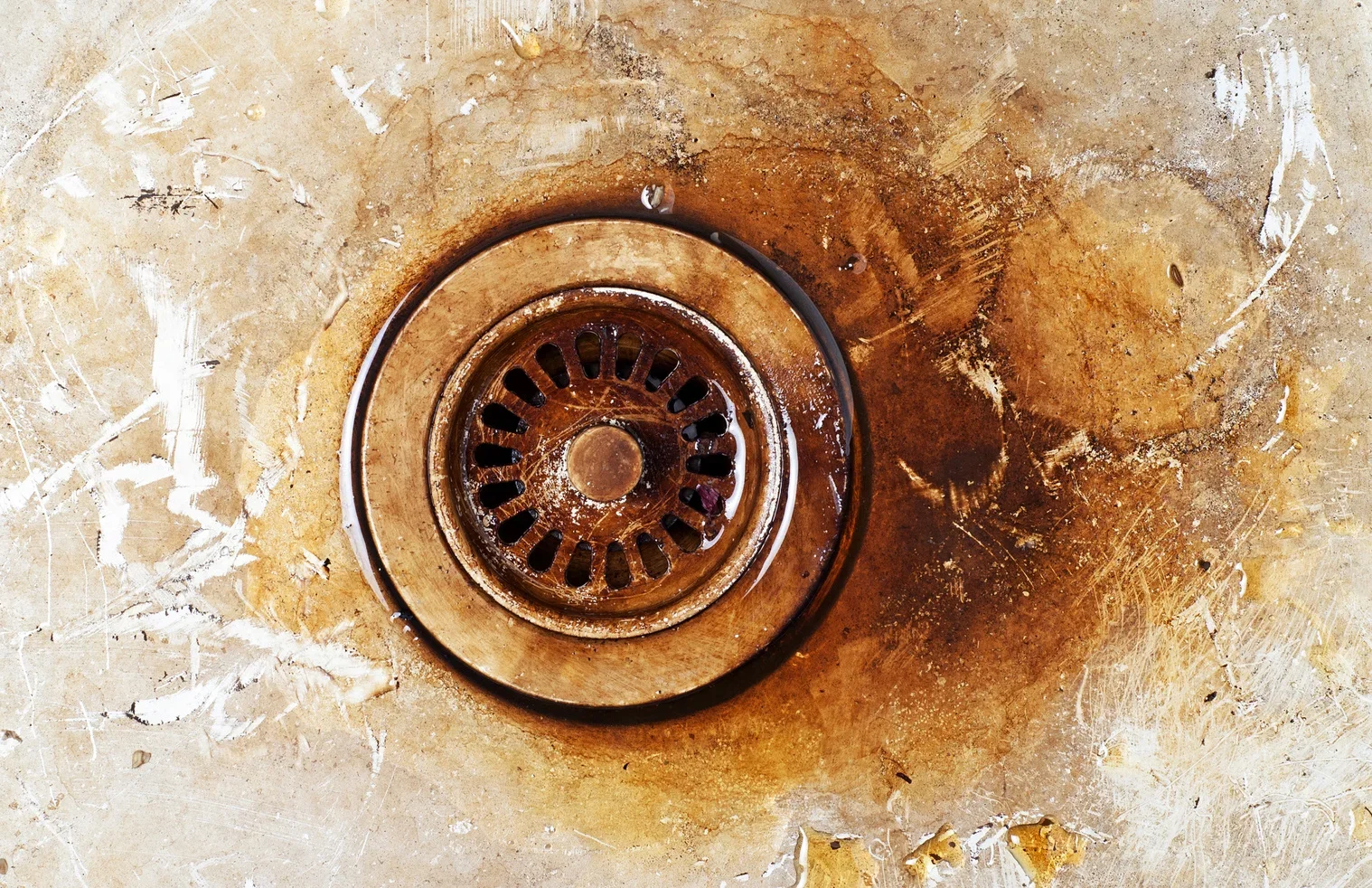
Unpleasant sewer smells coming from your drains are more than just a nuisance—they can indicate a serious issue with your sewer line. These odors are often caused by blockages, cracks, or damage within the pipes.
In more severe cases, you may experience slow drainage throughout your home or even sewage backing up into sinks, tubs, or toilets.
This is not only inconvenient but can also pose health risks and cause significant property damage.
What to do:
You can try these basic solutions:
Pour water into rarely used drains to refill the trap and block sewer gases.
Use a mixture of baking soda and vinegar to help clear minor buildup.
If odors or backups continue, a professional plumber can use specialized equipment, such as sewer cameras, to inspect the inside of your pipes and accurately diagnose the problem. From there, they can recommend the most effective solution—whether it’s clearing the blockage or repairing the line.
7. Burst Pipes or Emergency Situations
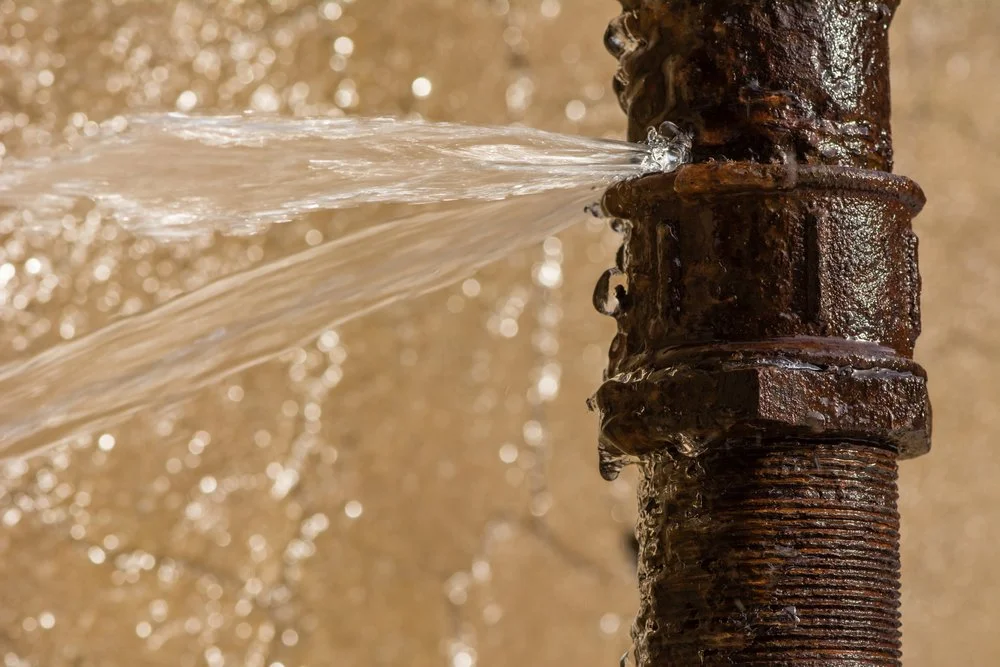
A burst pipe is one of the most serious plumbing emergencies a homeowner can face. It can release large amounts of water in a short period, leading to flooding, structural damage, and costly repairs.
Burst pipes are often caused by freezing temperatures, corrosion, high water pressure, or aging materials.
In these situations, every second counts.
What to do:
Act quickly with these steps:
Shut off your main water supply immediately to stop the flow of water.
Open faucets to drain remaining water and relieve pressure in the system.
After that, contact a professional plumber right away to repair the damage safely.
Why Hiring a Professional Matters 💡
While some minor plumbing issues can be handled on your own, many problems require professional expertise, proper tools, and accurate diagnosis. Attempting to fix complex issues without experience can sometimes make things worse.
A licensed plumber ensures:
Accurate problem identification
Long-lasting repairs
Safe and code-compliant work
Peace of mind
Final Thoughts
Plumbing issues don’t go away on their own—and waiting too long can turn a simple fix into a major repair.
👉 If you notice any of these signs, it’s best to act early and call a professional you can trust.