5 Common Plumbing Problems Homeowners Face (and How to Prevent Them)
Plumbing issues can start small—but if ignored, they can quickly turn into expensive repairs. Knowing what to look for (and when to act) can save you time, money, and stress.
Here are five of the most common plumbing problems and how to prevent them:
1. Clogged Drains
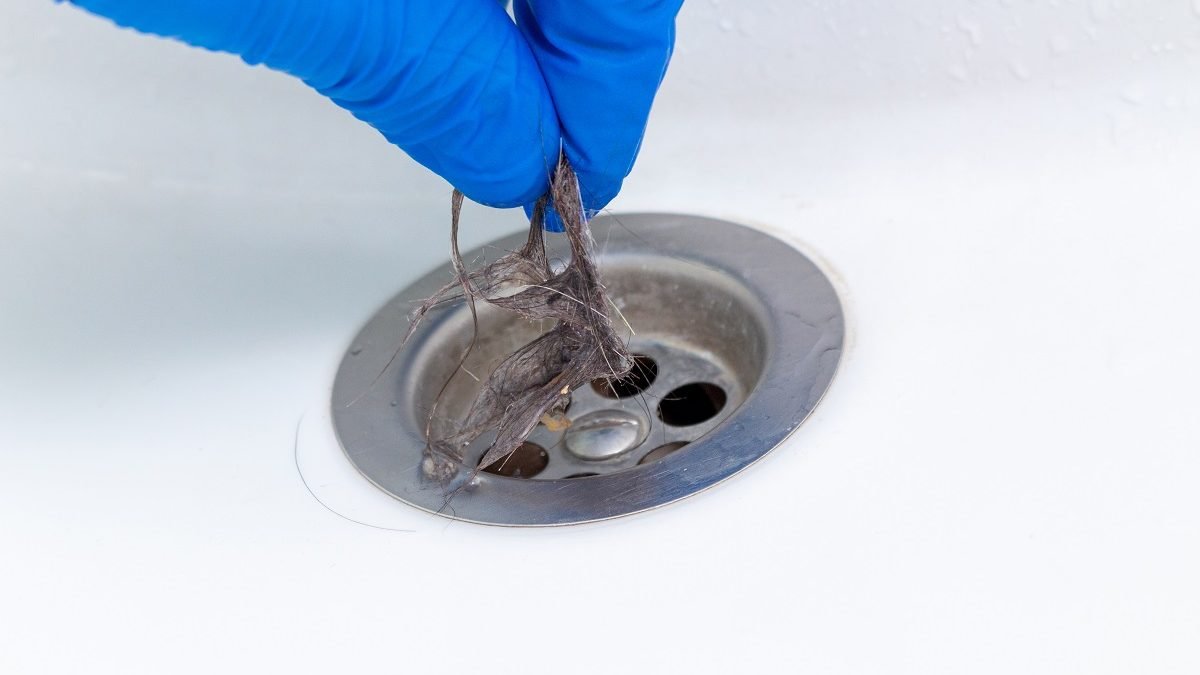
Clogged drains are one of the most common plumbing issues in both kitchens and bathrooms. Over time, materials like grease, food particles, soap residue, hair, and even small objects can build up inside your pipes, restricting water flow. You might first notice slow drainage, gurgling sounds, or unpleasant odors coming from your sink or shower.
If left untreated, a minor clog can turn into a complete blockage, potentially causing water backups and even pipe damage.
How to prevent it:
Avoid pouring grease or oil down the drain, use drain strainers to catch debris, and flush drains occasionally with hot water. Regular professional drain cleaning can also help keep your pipes clear and functioning properly.
2. Leaky Pipes
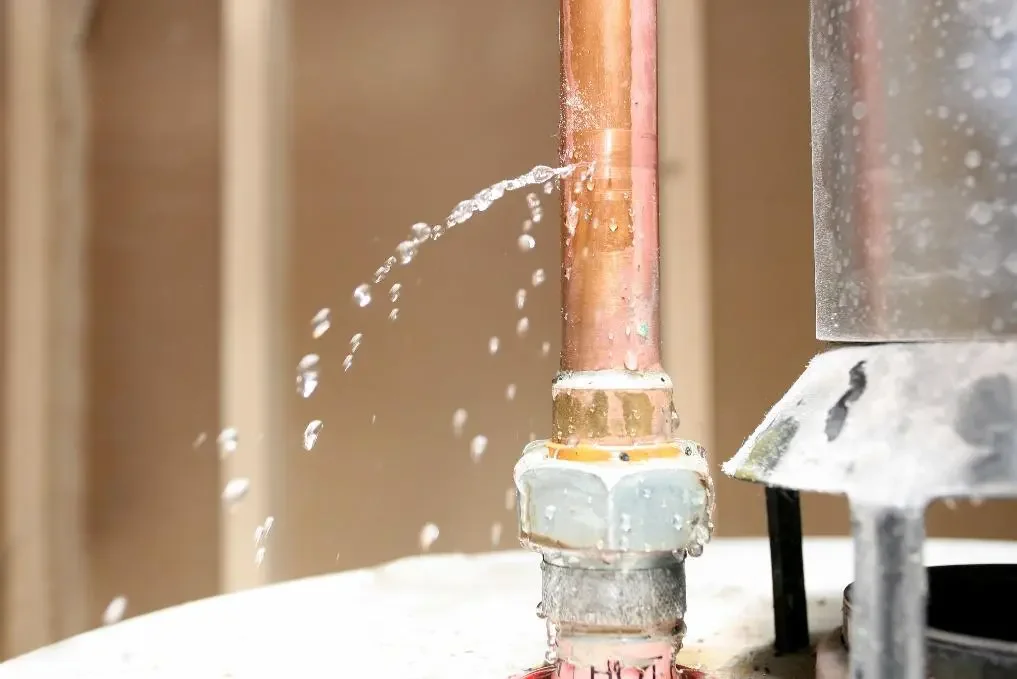
Leaky pipes can develop for many reasons, including corrosion, high water pressure, worn-out joints, or temperature changes that cause pipes to expand and contract. While some leaks are obvious, others can remain hidden behind walls or under floors, causing damage over time without immediate signs.
Common indicators include damp spots, mold growth, musty smells, or an unexpected increase in your water bill.
Ignoring leaks can lead to structural damage, mold issues, and costly repairs if not addressed promptly.
How to prevent it:
Inspect visible pipes regularly, monitor your water bill for unusual changes, and address small leaks immediately. Scheduling routine inspections can help detect hidden leaks before they become major problems.
3. Low Water Pressure
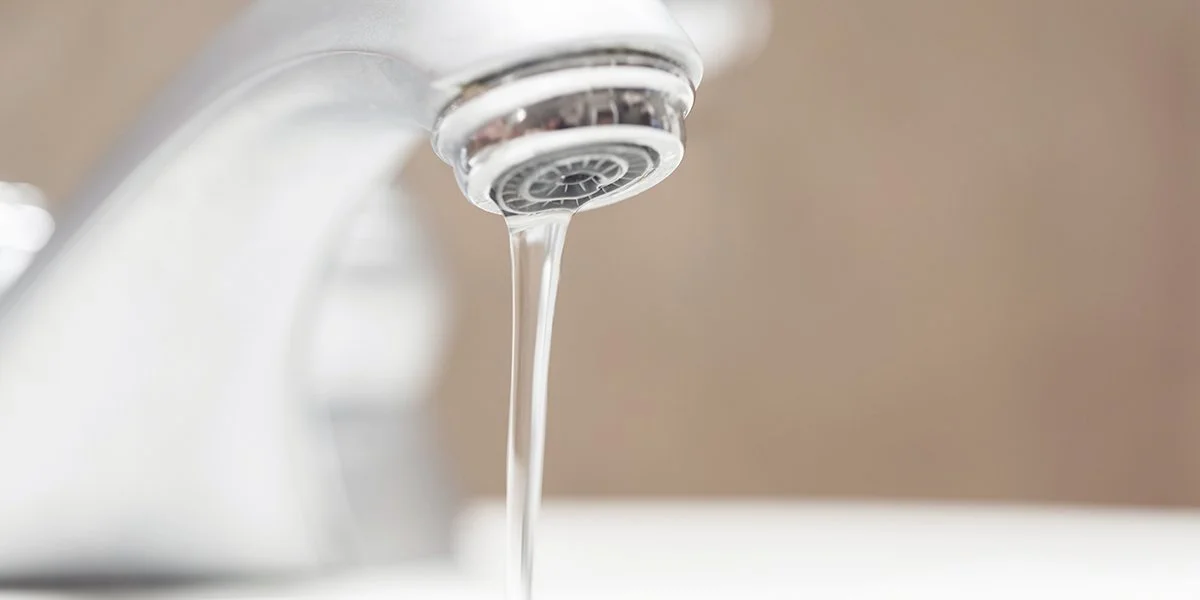
Low water pressure can make simple daily tasks—like showering or washing dishes—frustrating and inefficient. This issue can be caused by several factors, including mineral buildup inside pipes, leaks, clogged fixtures, or even problems with the main water supply.
In some cases, low pressure may be a sign of a more serious issue, such as a hidden leak or pipe damage within your plumbing system.
How to prevent it:
Keep fixtures like showerheads and faucets clean to prevent buildup, and have your plumbing system inspected if you notice a sudden drop in pressure. Identifying the root cause early can help avoid more complex repairs later.
4. Water Heater Issues
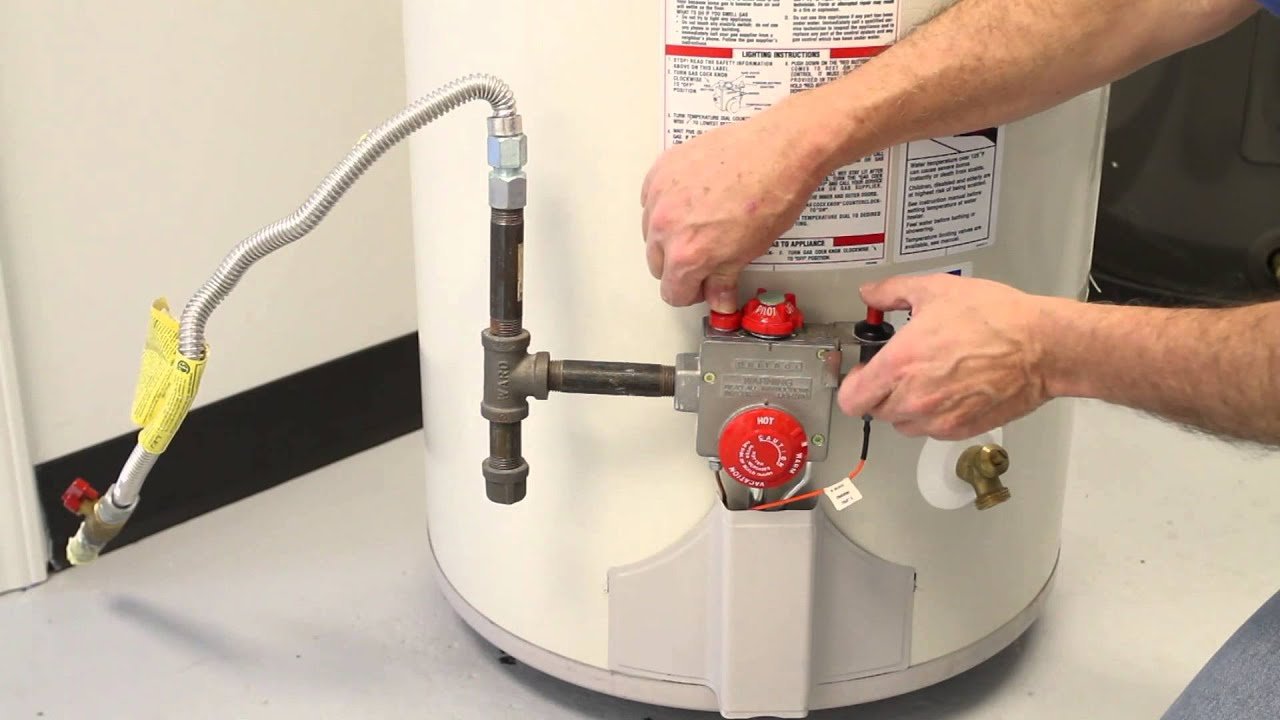
Your water heater is essential for comfort in your home, so when it stops working properly, it can quickly become a major inconvenience. Common problems include inconsistent water temperature, strange noises coming from the tank, discolored water, or a complete lack of hot water.
Sediment buildup inside the tank is one of the most frequent causes of water heater problems, reducing efficiency and potentially shortening the lifespan of the unit.
How to prevent it:
Flush your water heater at least once a year to remove sediment buildup, and schedule regular maintenance checks. If your unit is older, it may be more cost-effective to consider a replacement rather than repeated repairs.
5. Running Toilets
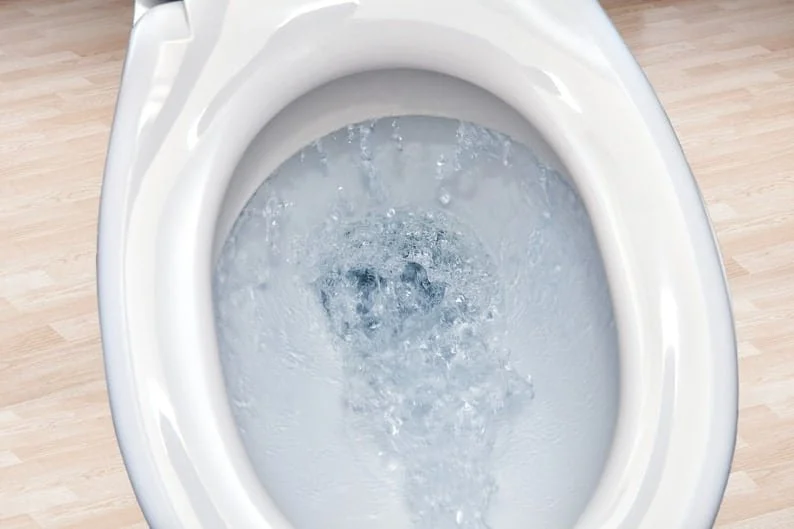
A running toilet might seem like a minor annoyance, but it can waste a significant amount of water—sometimes hundreds of gallons per day. This issue is usually caused by worn-out internal components such as the flapper, fill valve, or float mechanism.
If not fixed, a running toilet can lead to higher water bills and unnecessary water waste.
How to prevent it:
Check the internal components of your toilet periodically and replace any worn or damaged parts. If the problem persists, a professional inspection can ensure everything is functioning correctly and efficiently.
Final Thoughts
Plumbing problems don’t fix themselves—and waiting can make things worse. Addressing issues early helps you avoid costly repairs and keeps your home running smoothly.
👉 Need help? Contact us today for fast, reliable plumbing service you can trust.