The Complete Homeowner’s Guide to Preventing Plumbing Problems
Plumbing issues are one of the most common—and costly—problems homeowners face. The good news? Many of these issues are preventable with the right habits, routine maintenance, and early action.
By understanding how your plumbing system works and what warning signs to look for, you can avoid unexpected repairs, reduce water waste, and extend the life of your system.
Here’s a complete guide to help you protect your home and keep your plumbing running smoothly year-round.
1. Be Mindful of What Goes Down Your Drains
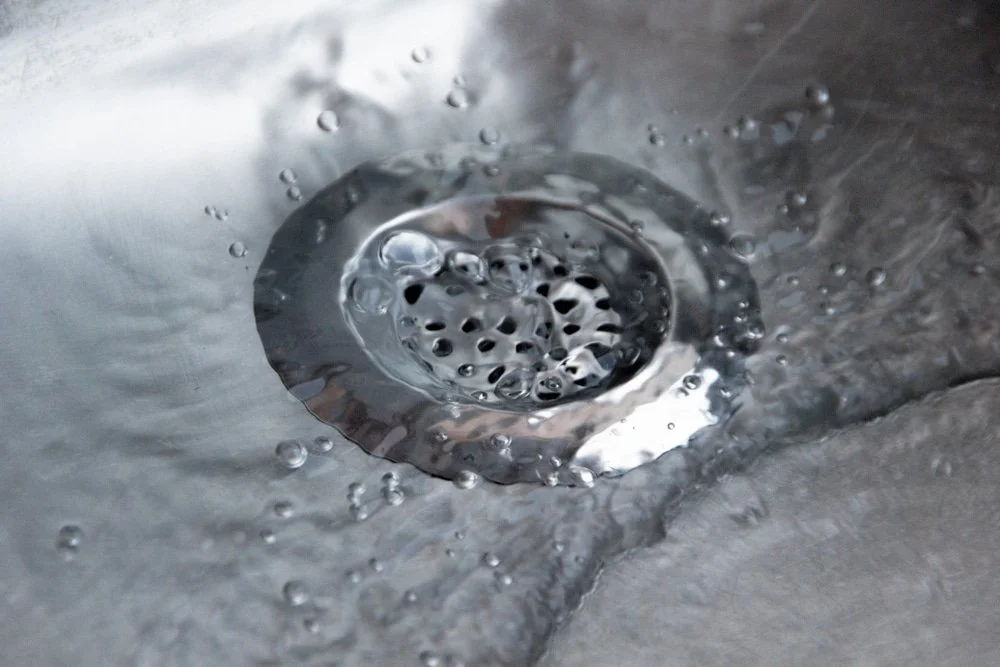
Your drains are designed to handle water—not everything we tend to send down them. Over time, grease, food scraps, soap residue, hair, and debris can build up inside your pipes, leading to slow drains and stubborn clogs.
In the kitchen, grease is one of the biggest culprits. Even if it goes down as a liquid, it solidifies as it cools, sticking to the inside of pipes and creating blockages.
In the bathroom, hair and soap scum are the main causes of clogs.
What you can do:
Avoid pouring grease or oil down the sink.
Use drain strainers to catch debris.
Run hot water after each use to help keep pipes clear.
These simple habits can significantly reduce the risk of clogs.
2. Keep an Eye on Small Leaks
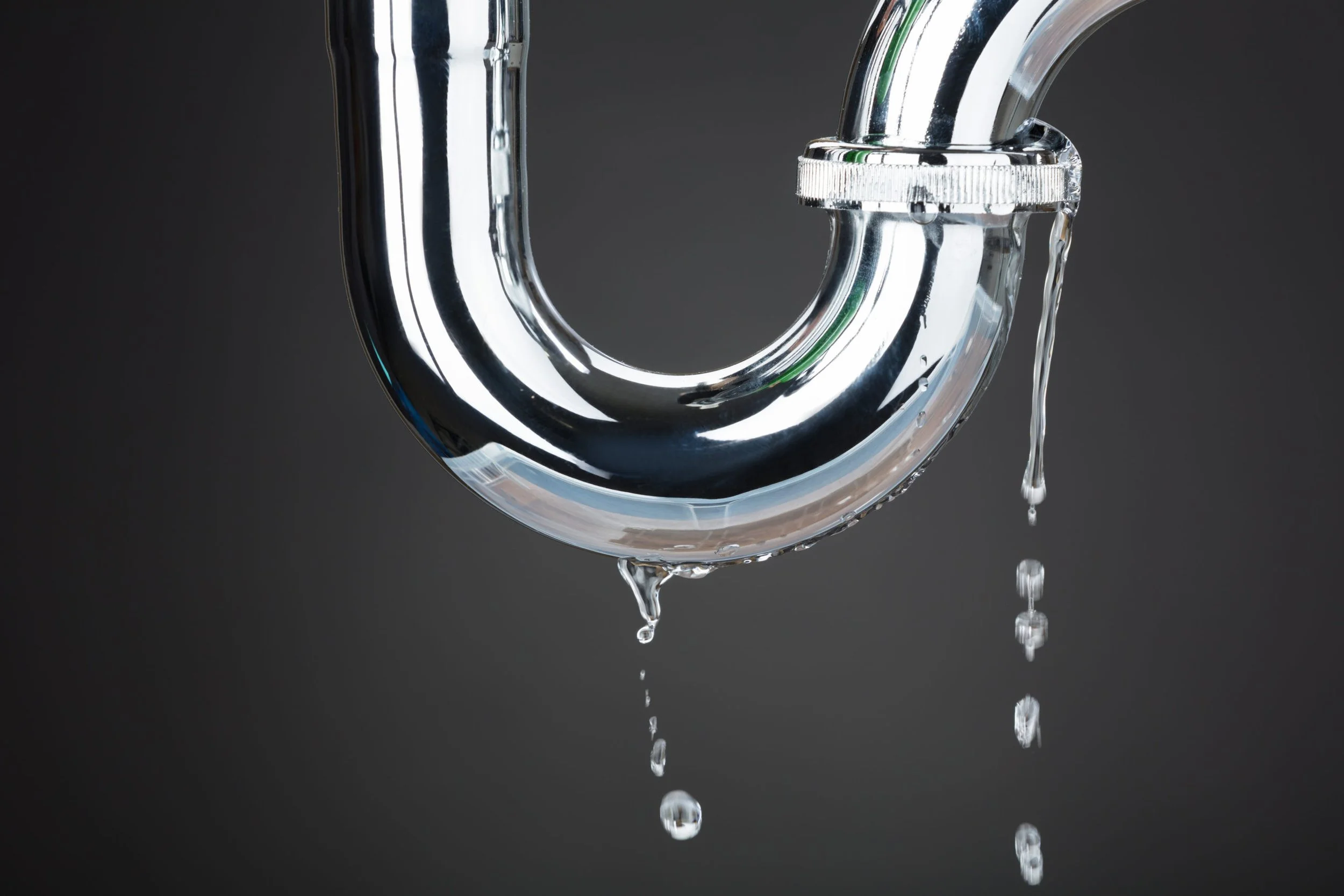
A dripping faucet or a minor leak might seem harmless, but over time, it can waste a large amount of water and lead to bigger issues like mold, wood rot, or structural damage.
Leaks often develop due to worn-out washers, loose connections, or pipe corrosion. Some leaks are visible, while others may be hidden behind walls or under floors.
What you can do:
Regularly check under sinks and around fixtures for moisture.
Pay attention to unusual increases in your water bill.
Fix small leaks as soon as you notice them.
Addressing leaks early is one of the easiest ways to prevent costly repairs.
3. Maintain Your Water Heater
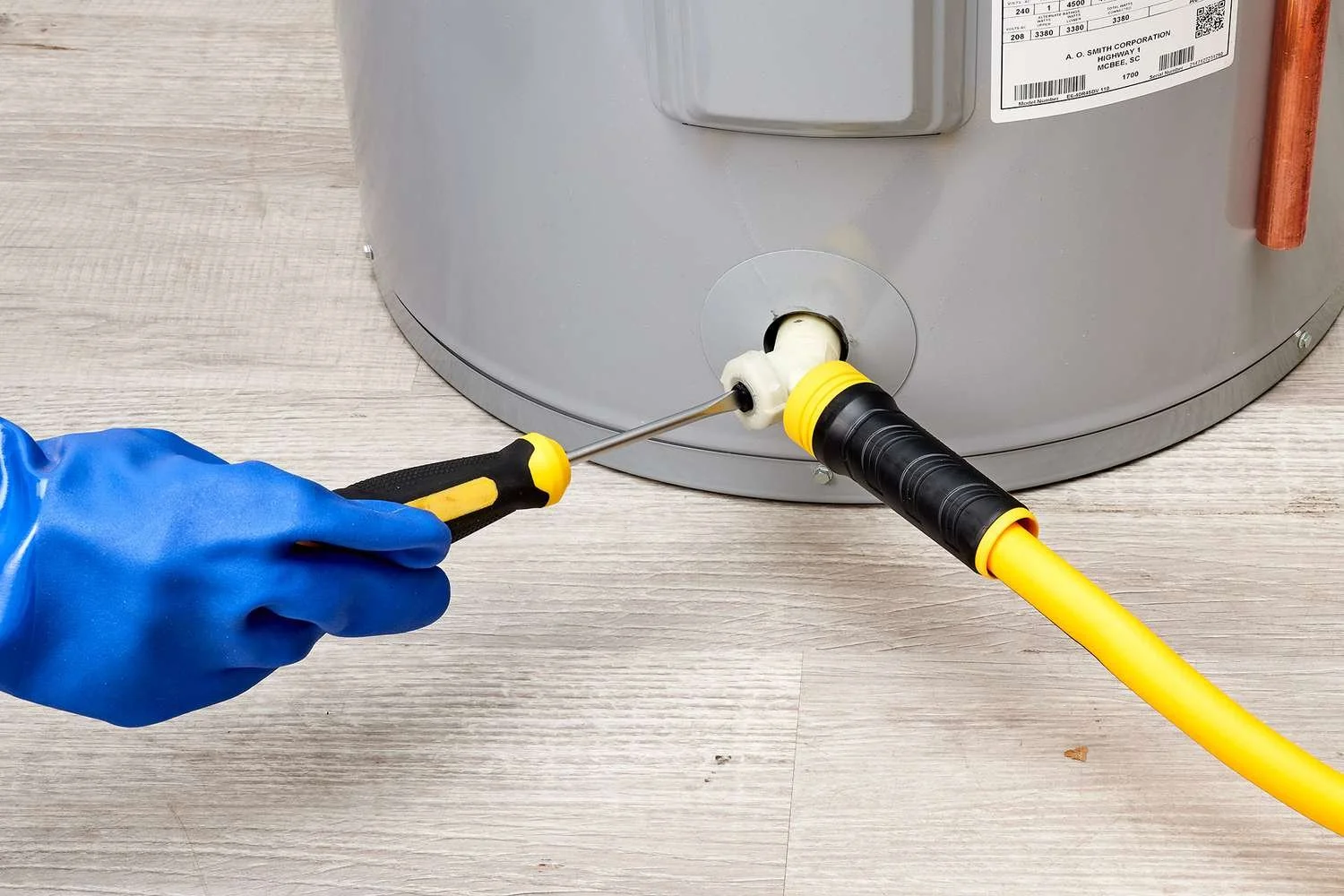
Your water heater works hard every day, and without proper maintenance, it can lose efficiency or fail prematurely. One of the most common issues is sediment buildup inside the tank, which can affect performance and lead to higher energy costs.
You may notice signs like inconsistent water temperature, strange noises, or reduced hot water supply.
What you can do:
Flush your water heater once a year to remove sediment.
Check the temperature setting (recommended around 120°F).
Schedule periodic inspections to ensure everything is working properly.
Proper maintenance can extend the life of your unit and improve efficiency.
4. Monitor Your Water Pressure
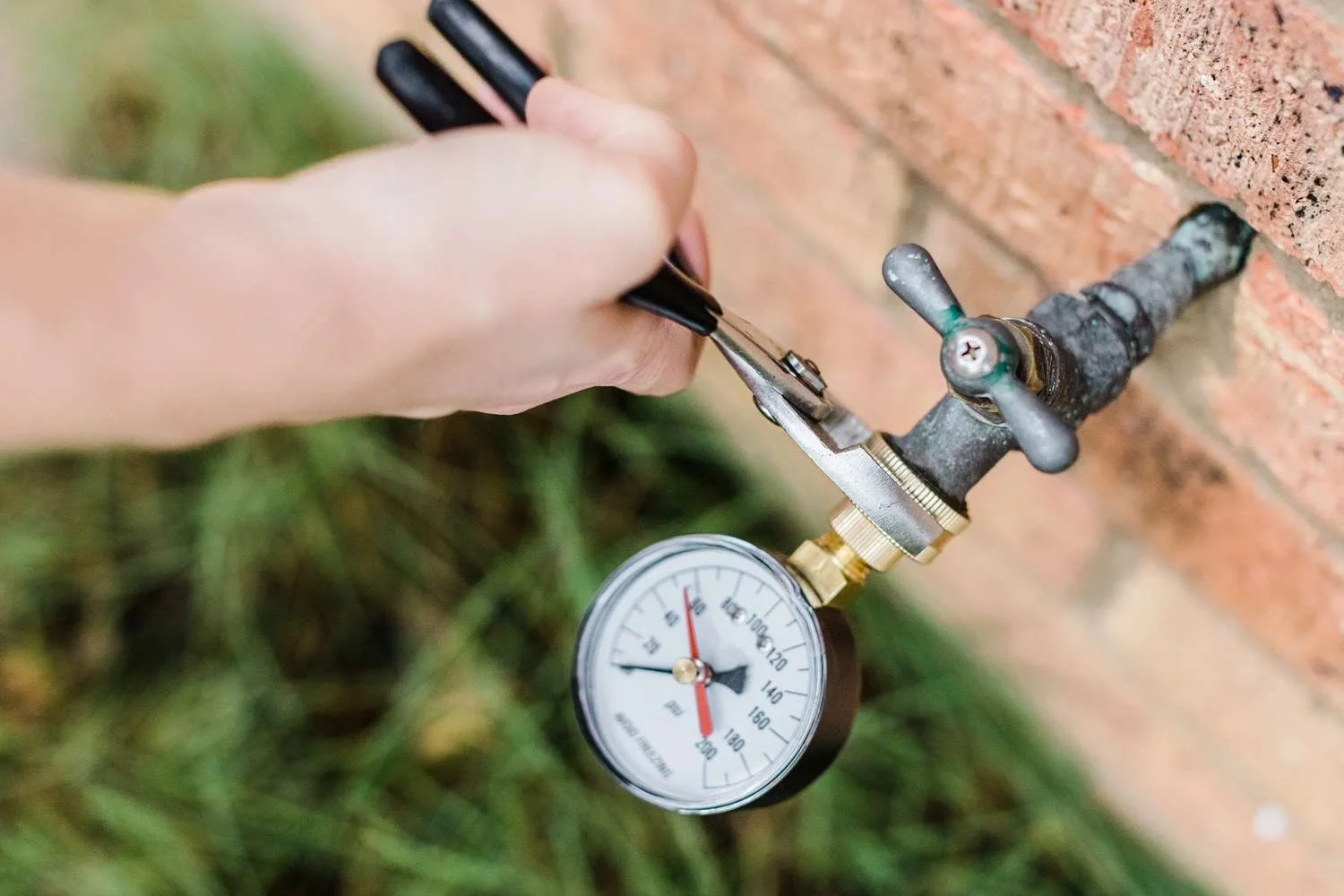
Water pressure that is too high or too low can cause problems in your plumbing system. High pressure can strain pipes, joints, and appliances, increasing the risk of leaks or bursts. Low pressure, on the other hand, may indicate buildup, leaks, or other underlying issues.
What you can do:
Use a pressure gauge to check your water pressure (ideal range is typically 40–60 PSI).
Install a pressure regulator if needed.
Address sudden changes in pressure immediately.
Keeping your water pressure within a safe range helps protect your entire system.
5. Know Where Your Main Water Shut-Off Valve Is
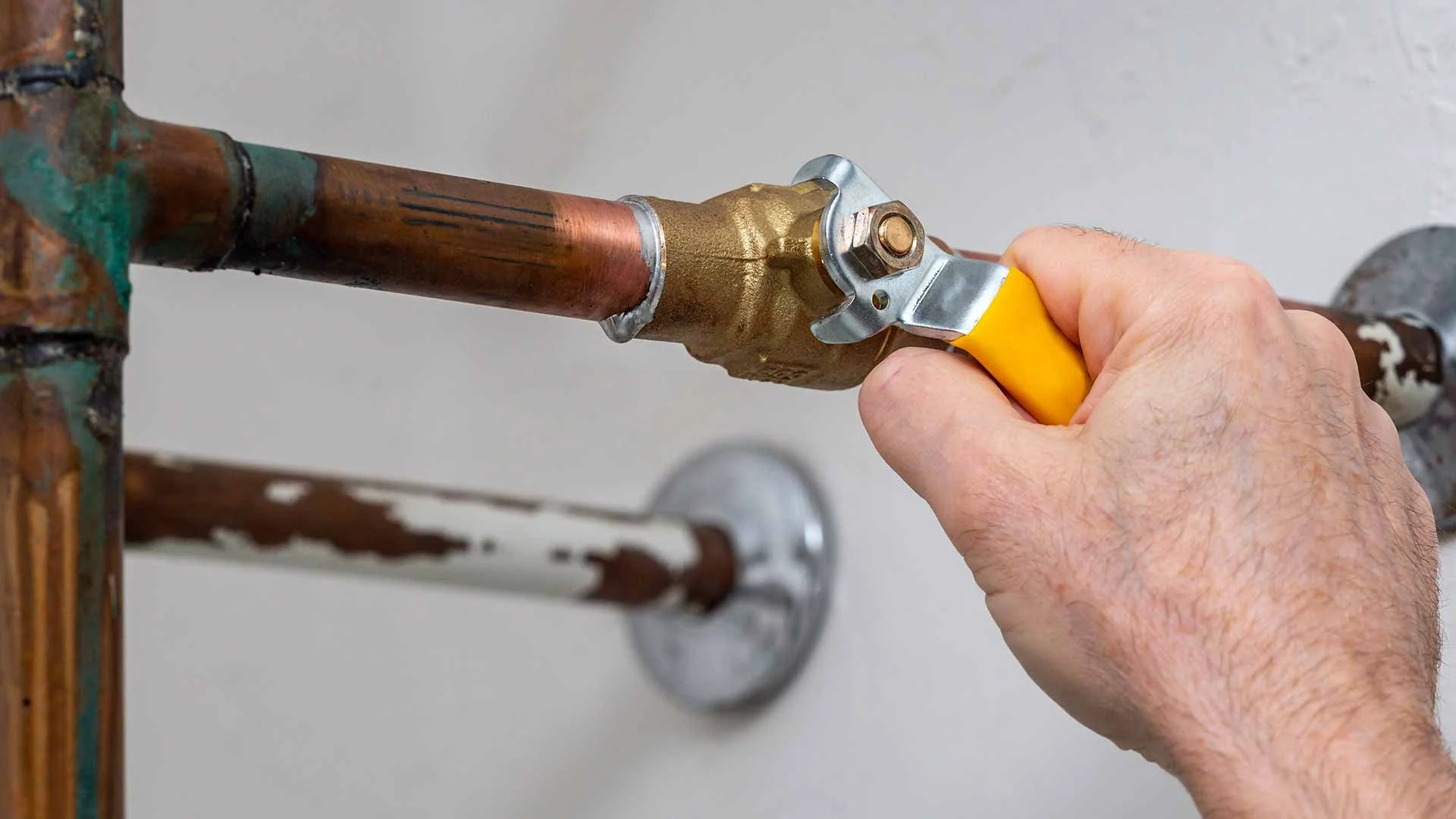
In a plumbing emergency, every second counts. Knowing how to shut off your water supply can prevent extensive damage and reduce repair costs.
Many homeowners don’t realize where their main shut-off valve is until it’s too late.
What you can do:
Locate your main water shut-off valve in advance.
Make sure it’s easily accessible and functioning properly.
Test it occasionally so you’re prepared in case of an emergency.
This simple step can save you thousands in potential damage.
6. Watch for Early Warning Signs
Your plumbing system often gives subtle warnings before a major issue occurs. Ignoring these signs can lead to bigger problems down the line.
Common warning signs include:
Slow drains
Unusual noises (gurgling or banging pipes)
Water stains or discoloration
Musty odors
Fluctuating water pressure
What you can do:
Don’t ignore these signs—investigate them early.
Perform regular visual inspections around your home.
Call a professional if something doesn’t seem right.
Catching problems early is key to avoiding major repairs.
7. Schedule Preventive Maintenance
One of the best ways to avoid plumbing problems is through routine maintenance. A professional inspection can identify potential issues before they turn into expensive repairs.
This includes checking pipes, drains, water heaters, and other key components of your system.
What you can do:
Schedule annual plumbing inspections.
Consider preventive services like drain cleaning or system checks.
Keep a maintenance schedule for your home.
Preventive care is always more affordable than emergency repairs.
Why Prevention Matters
Preventing plumbing issues isn’t just about avoiding inconvenience—it’s about protecting your home, your finances, and your peace of mind.
A well-maintained plumbing system:
Reduces the risk of unexpected breakdowns
Improves efficiency and lowers utility bills
Extends the lifespan of your equipment
Keeps your home safe and comfortable
Final Thoughts
Plumbing problems don’t have to catch you off guard. With the right habits and regular maintenance, you can prevent many of the most common issues homeowners face.
Taking small steps today can save you from major repairs tomorrow.
👉 Need help or want a professional inspection? Contact us today for reliable, fast plumbing service you can trust.