Top Plumbing Mistakes Homeowners Make (and How to Avoid Them)
Plumbing systems are essential to your home, but many common problems are actually caused by simple mistakes homeowners make every day—often without realizing it.
The good news? Most of these issues are completely avoidable. By understanding what not to do, you can prevent costly repairs, extend the life of your plumbing system, and keep everything running smoothly.
Here are the most common plumbing mistakes—and how to avoid them:
1. Pouring Grease Down the Drain
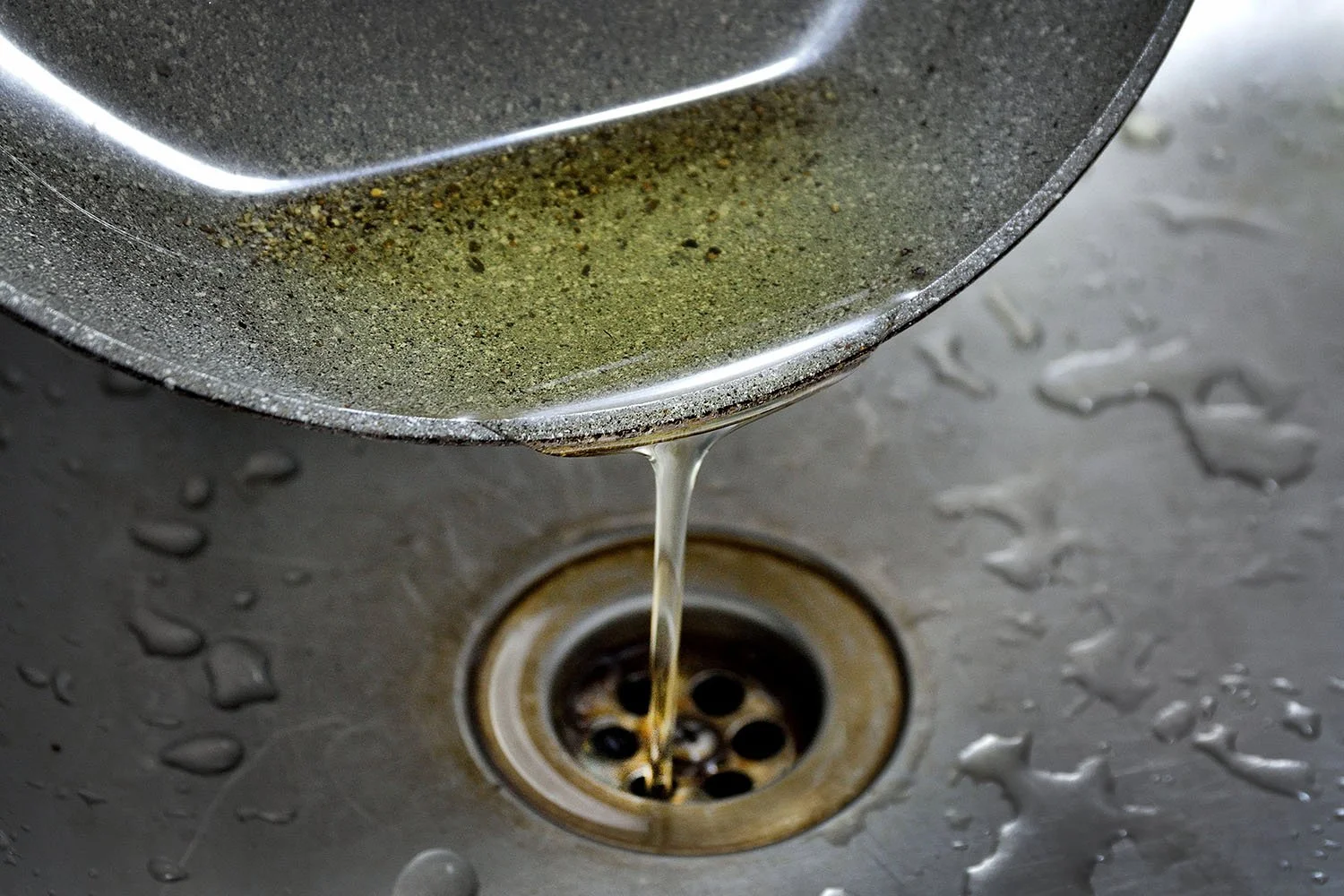
It might seem harmless to pour grease or cooking oil down the sink, especially when it’s hot and liquid. However, as it cools, it solidifies inside your pipes, sticking to the walls and trapping other debris.
Over time, this buildup can lead to serious clogs and even block your main line.
What to do instead:
Let grease cool and dispose of it in the trash.
Wipe pans with a paper towel before washing.
2. Using Chemical Drain Cleaners Too Often
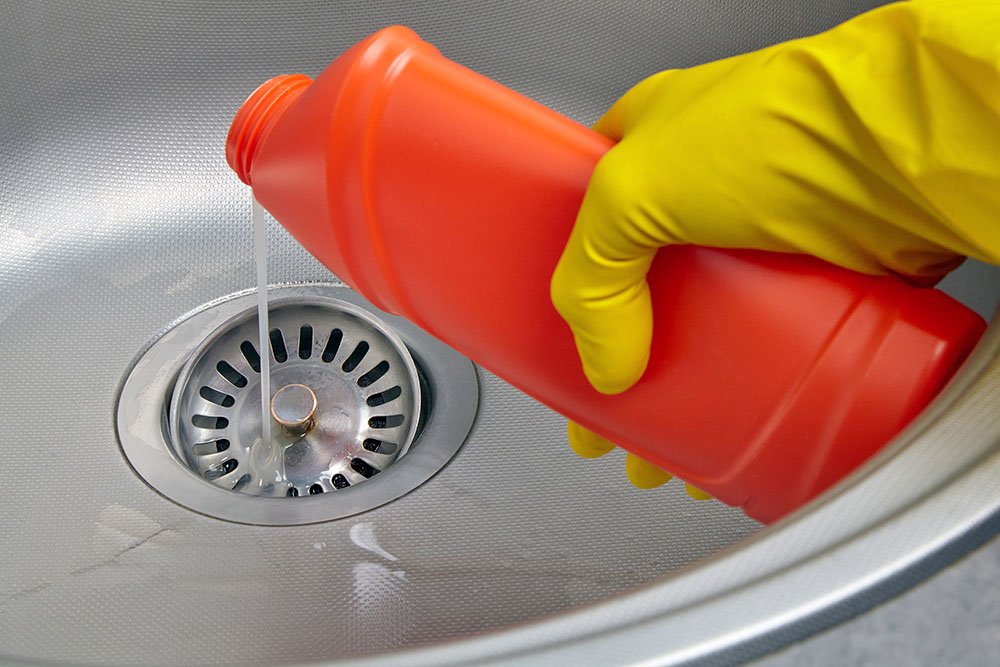
Store-bought drain cleaners can seem like a quick fix, but frequent use can actually damage your pipes. These products contain harsh chemicals that can corrode plumbing materials over time.
They also often provide only temporary relief, without removing the full blockage.
What to do instead:
Use a plunger or drain snake for minor clogs.
Try natural solutions like hot water, baking soda, and vinegar.
3. Ignoring Small Leaks
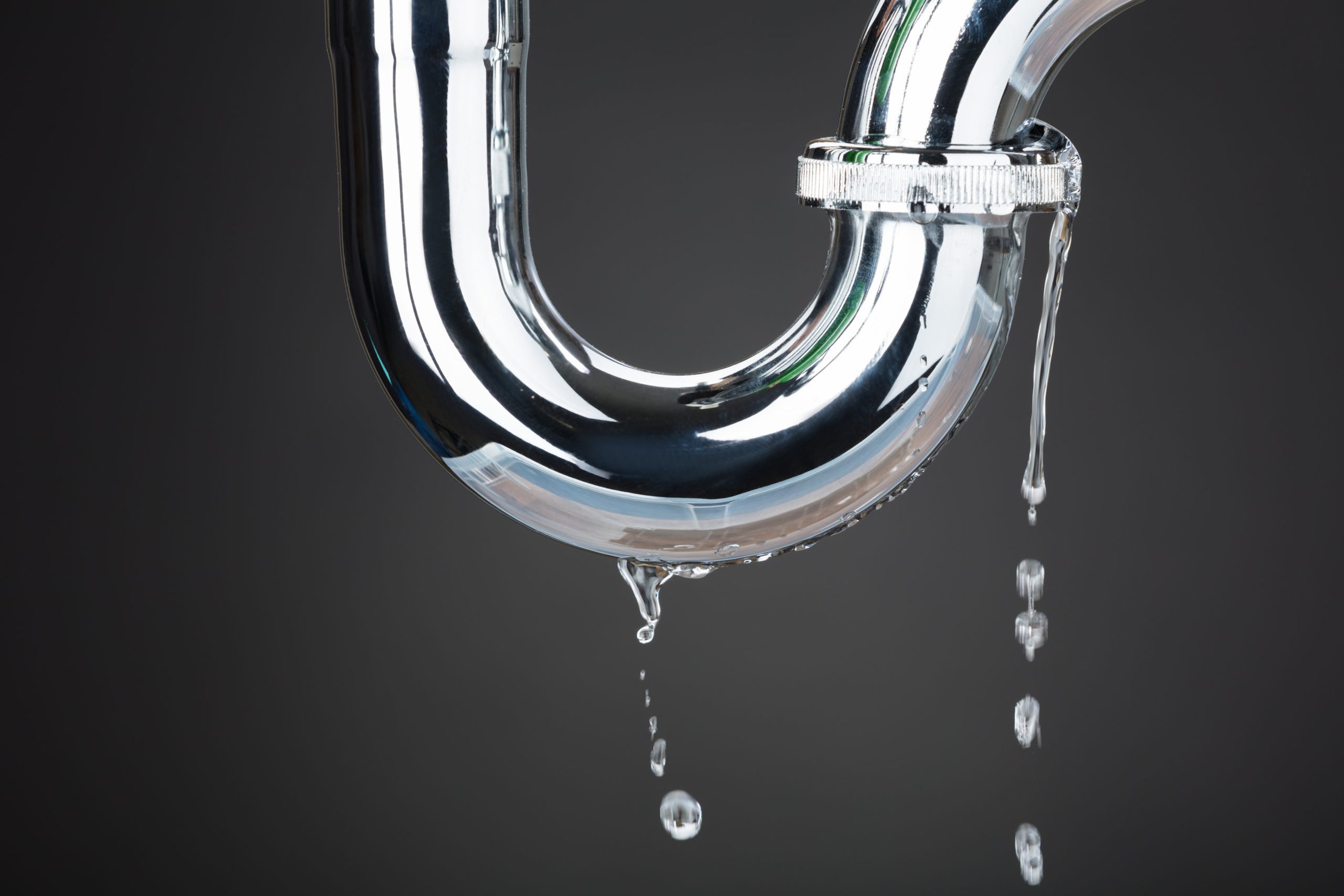
A dripping faucet or minor pipe leak might not seem urgent, but even small leaks can waste gallons of water and lead to bigger issues like mold, water damage, or higher utility bills.
Small problems rarely stay small in plumbing.
What to do instead:
Fix leaks as soon as you notice them.
Regularly inspect under sinks and around fixtures.
4. Flushing the Wrong Items
Toilets are only designed to handle human waste and toilet paper. Flushing items like wipes (even “flushable” ones), paper towels, or hygiene products can cause serious blockages.
These materials don’t break down easily and can clog pipes or damage your sewer system.
What to do instead:
Only flush toilet paper.
Dispose of other items in the trash.
5. Overtightening Plumbing Connections
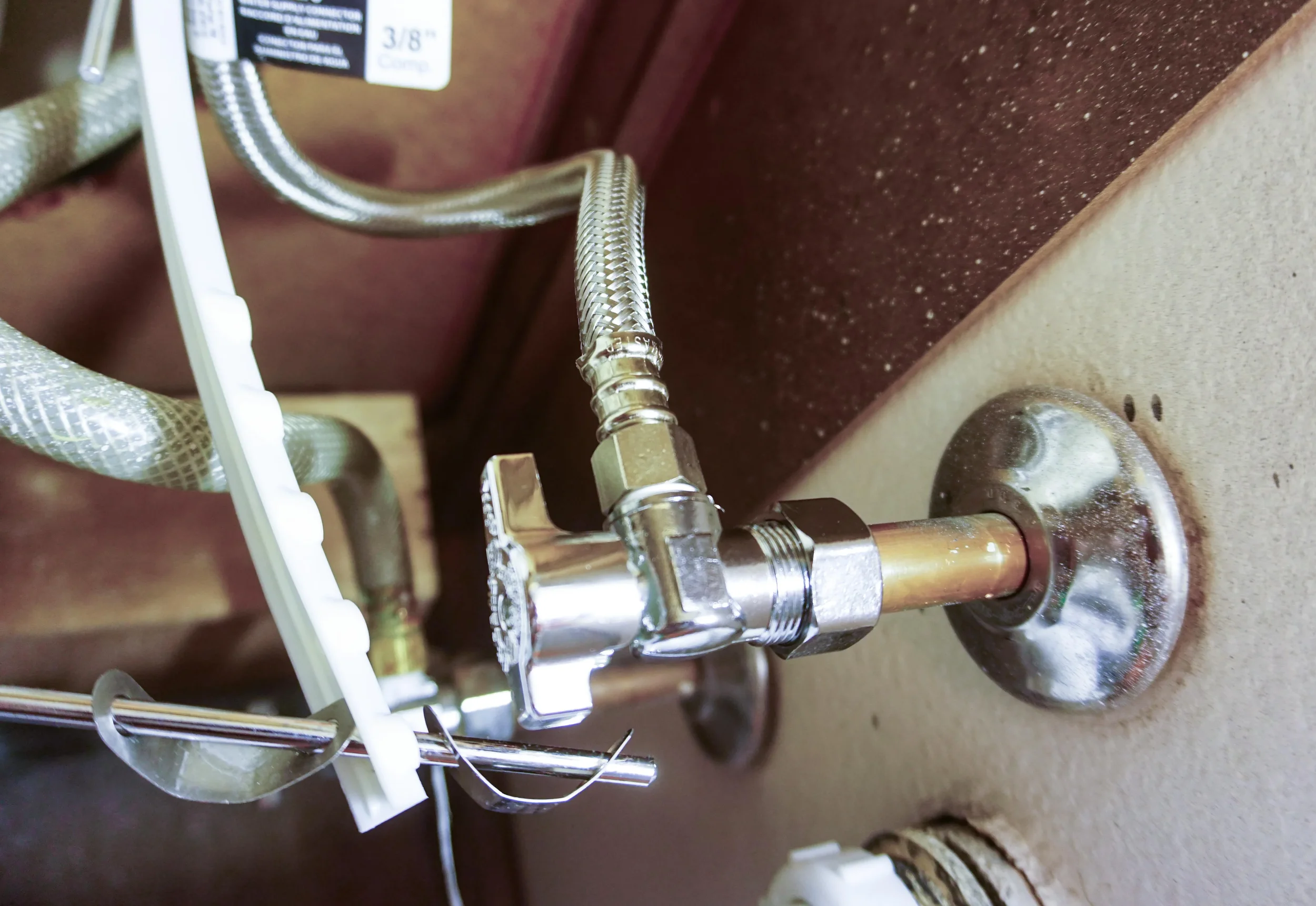
When trying to fix something, it’s common to think tighter is better. However, overtightening fittings can crack pipes, damage threads, or cause leaks.
This often leads to more repairs instead of solving the problem.
What to do instead:
Tighten connections just enough to seal.
Use proper tools and avoid excessive force.
6. Skipping Routine Maintenance
Many homeowners only think about plumbing when something goes wrong. Skipping regular maintenance can allow small issues to go unnoticed until they become major problems.
Routine inspections help catch issues early and keep your system in good condition.
What to do instead:
Schedule periodic plumbing inspections.
Maintain your water heater and drains regularly.
7. Not Knowing When to Call a Professional
DIY fixes can be helpful for minor issues, but trying to handle complex plumbing problems without the right tools or experience can make things worse.
Misdiagnosing a problem or applying a temporary fix can lead to more damage and higher repair costs.
What to do instead:
Know your limits.
Call a professional when problems persist or seem serious.
💡 Why Avoiding These Mistakes Matters
Avoiding these common mistakes can:
Prevent costly repairs
Extend the lifespan of your plumbing system
Improve efficiency and water usage
Protect your home from damage
Small changes in your daily habits can make a big difference over time.
Final Thoughts
Plumbing problems aren’t always caused by major failures—often, they’re the result of everyday habits.
By being more mindful and taking simple preventive steps, you can avoid many of the most common issues homeowners face.
👉 Need help or dealing with a plumbing issue? Contact us today for fast, reliable service you can trust.