Understanding Plumbing Pipe Materials: Pros, Cons, and Which One Is Best for Your Home
When it comes to your plumbing system, the type of pipes inside your home matters more than most people realize. Different plumbing materials offer different levels of durability, cost, flexibility, and performance.
Whether you’re building a new home, replacing old pipes, or dealing with recurring plumbing issues, understanding the most common pipe materials can help you make better long-term decisions.
In this guide, we’ll break down the most common plumbing pipe materials, their advantages, disadvantages, and where they work best.
1. Copper Pipes
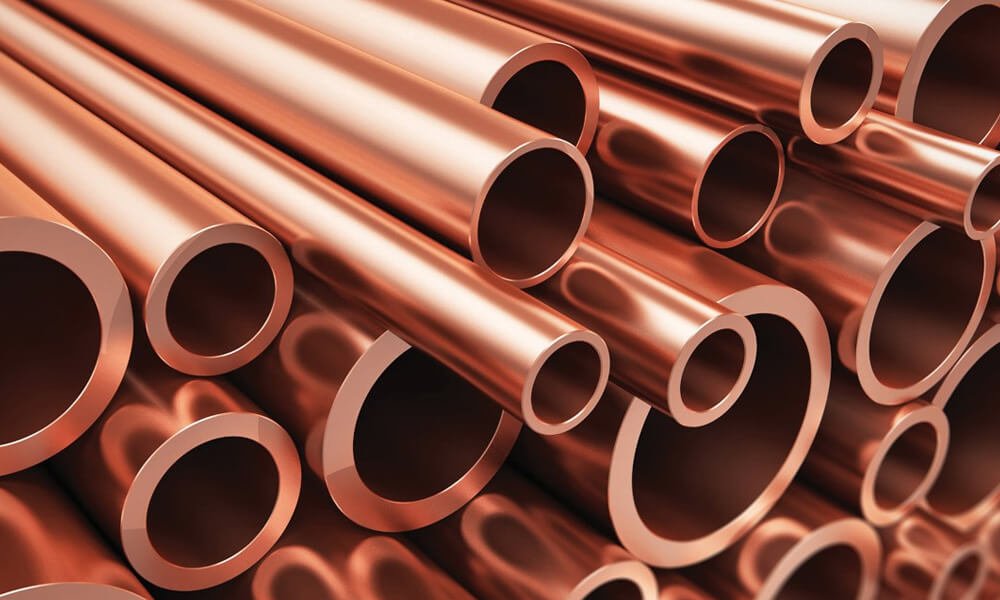
Copper has been one of the most trusted plumbing materials for decades. Known for its durability and reliability, copper piping is commonly used in both residential and commercial plumbing systems.
These pipes are resistant to bacteria, can handle high temperatures, and often last for many years when properly maintained.
✅ Advantages of Copper Pipes
Extremely durable and long-lasting
Resistant to corrosion and UV damage
Handles hot and cold water very well
Safe and reliable for drinking water
Less likely to crack under temperature changes
❌ Disadvantages of Copper Pipes
More expensive than other materials
Installation requires soldering and professional labor
Can corrode over time in areas with acidic water
Repairs may be more costly
💡 Best For
Long-term plumbing systems
Hot water lines
Homes looking for durability and reliability
2. PEX Pipes
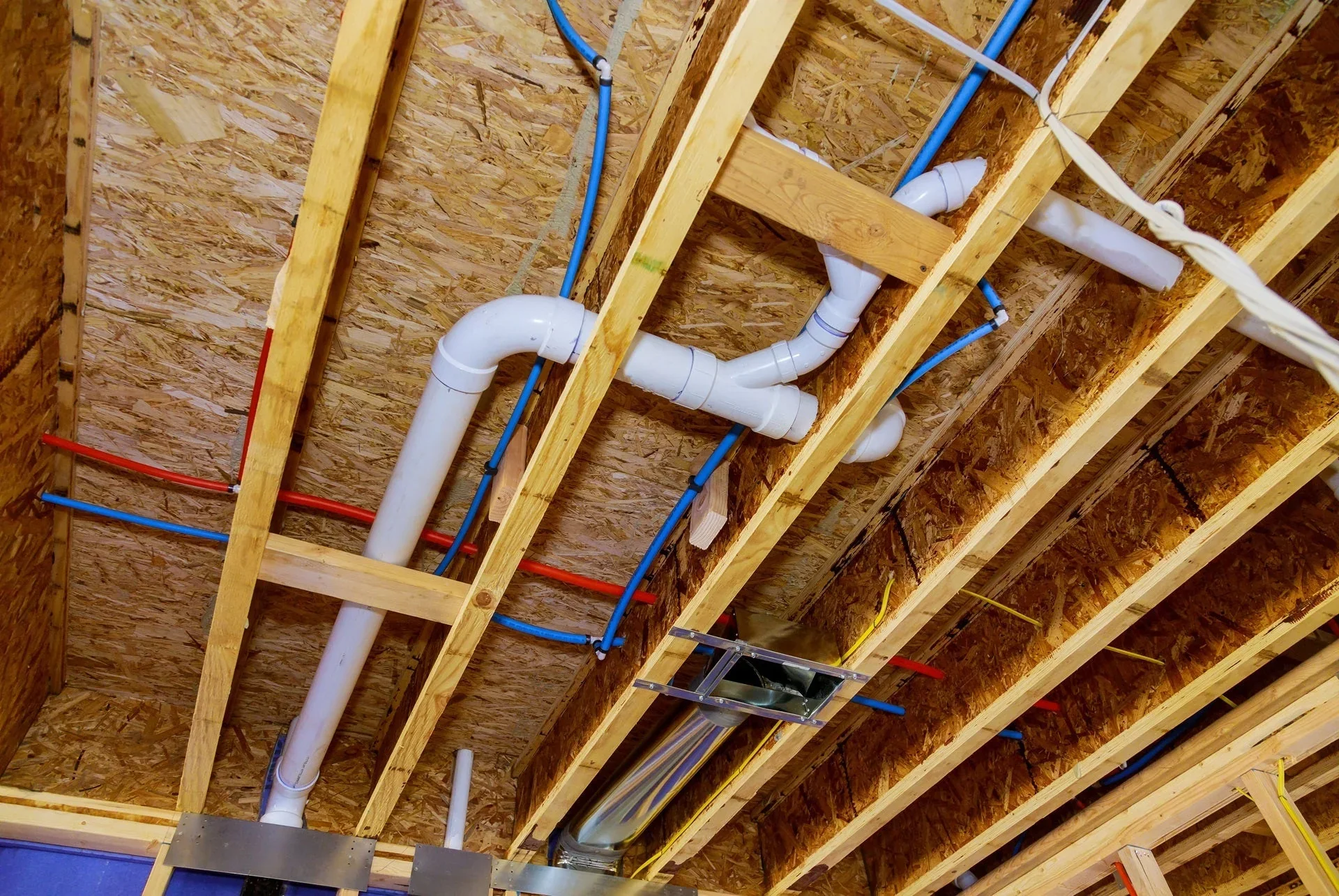
PEX (cross-linked polyethylene) has become one of the most popular modern plumbing materials due to its flexibility, affordability, and ease of installation.
Unlike rigid pipes, PEX tubing can bend around corners, reducing the need for multiple fittings and connections.
✅ Advantages of PEX Pipes
Flexible and easy to install
Lower installation costs
Resistant to freezing and cracking
Quiet operation with less pipe noise
Excellent for both hot and cold water
❌ Disadvantages of PEX Pipes
Cannot be exposed to direct sunlight for long periods
May not be accepted in some older building codes
Can be damaged by rodents in certain situations
💡 Best For
Residential repiping projects
Modern plumbing systems
Areas with colder temperatures
3. PVC Pipes
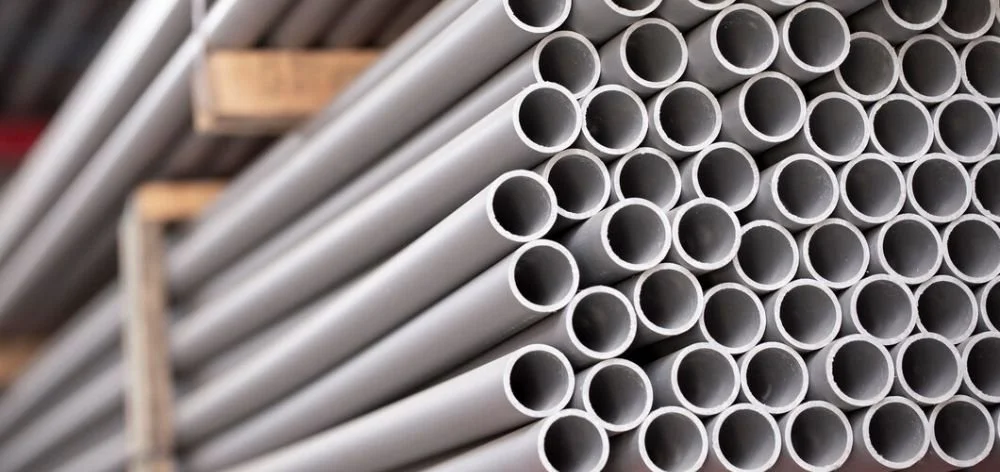
PVC (polyvinyl chloride) pipes are lightweight plastic pipes commonly used for drain, waste, and vent systems.
They are affordable, resistant to corrosion, and easy to work with, making them a popular choice for many plumbing applications.
✅ Advantages of PVC Pipes
Affordable and cost-effective
Lightweight and easy to install
Resistant to corrosion and chemicals
Smooth interior reduces clogs
❌ Disadvantages of PVC Pipes
Not ideal for high-temperature water
Can become brittle over time in extreme conditions
May crack under heavy impact or pressure
💡 Best For
Drainage systems
Sewer lines
Vent piping
4. CPVC Pipes
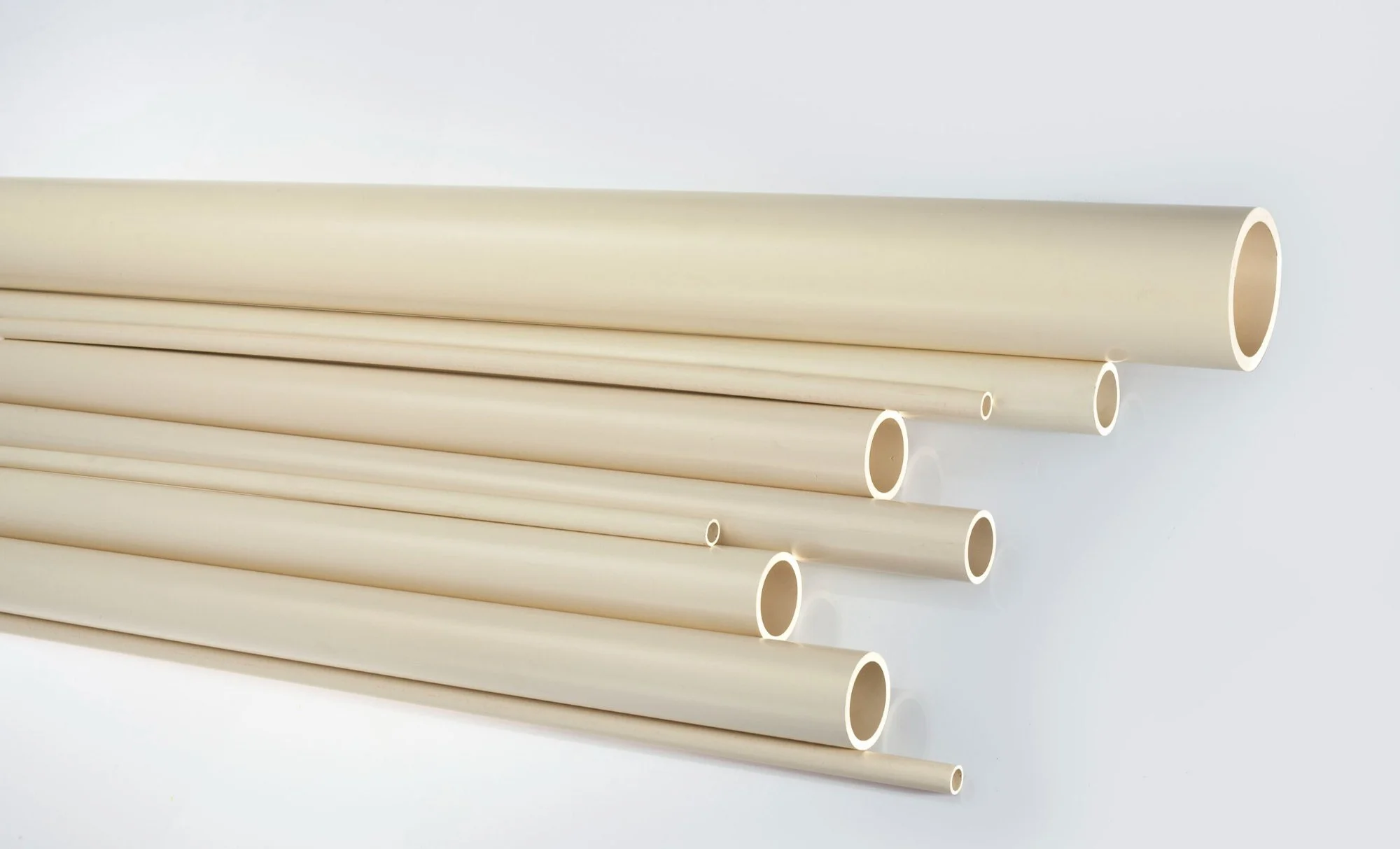
CPVC (chlorinated polyvinyl chloride) is similar to PVC but designed to handle higher temperatures, making it suitable for hot water supply lines.
It is commonly used in residential plumbing systems as a more affordable alternative to copper.
✅ Advantages of CPVC Pipes
Handles hot water effectively
Resistant to corrosion and chemical buildup
Lower cost compared to copper
Easier installation process
❌ Disadvantages of CPVC Pipes
More brittle than PEX
Can crack under pressure or impact
Expansion and contraction may weaken joints over time
💡 Best For
Residential hot and cold water systems
Budget-friendly plumbing upgrades
5. Galvanized Steel Pipes
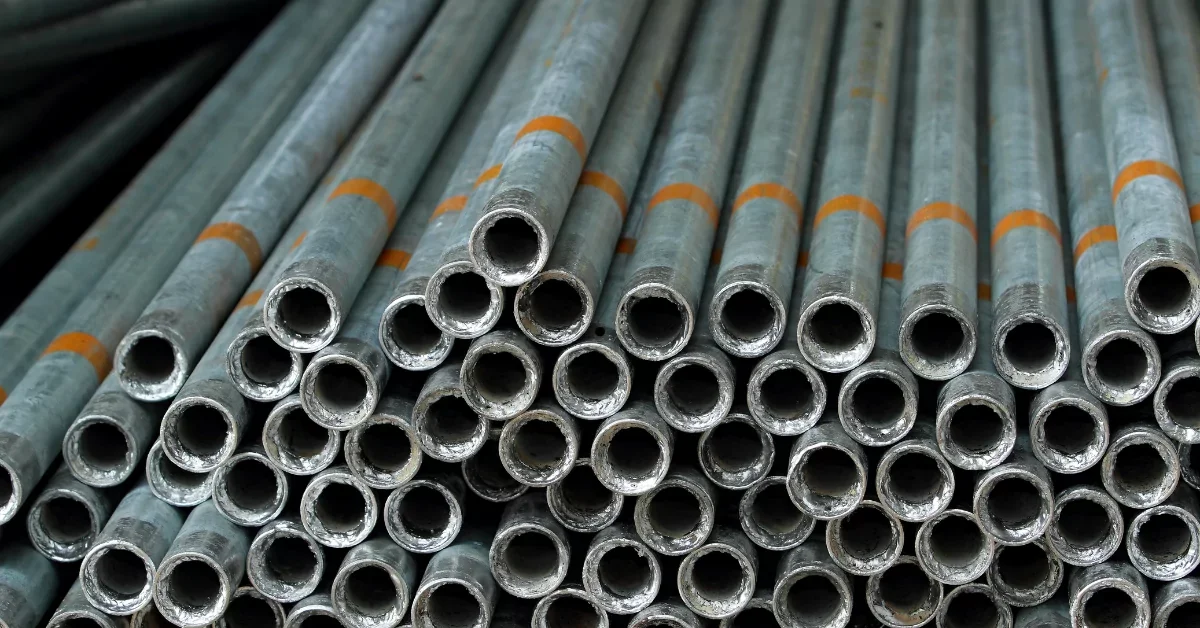
Galvanized steel pipes were commonly used in older homes before modern materials became more popular.
These pipes are coated with zinc to reduce rust and corrosion, but over time, buildup inside the pipe can restrict water flow.
✅ Advantages of Galvanized Steel Pipes
Strong and durable material
Resistant to physical damage
Long lifespan when properly maintained
❌ Disadvantages of Galvanized Steel Pipes
Susceptible to internal corrosion over time
Heavy and difficult to install
Water pressure can decrease due to buildup
Older pipes may affect water quality
💡 Best For
Older homes (existing systems)
Certain outdoor or industrial applications
6.ABS Pipes
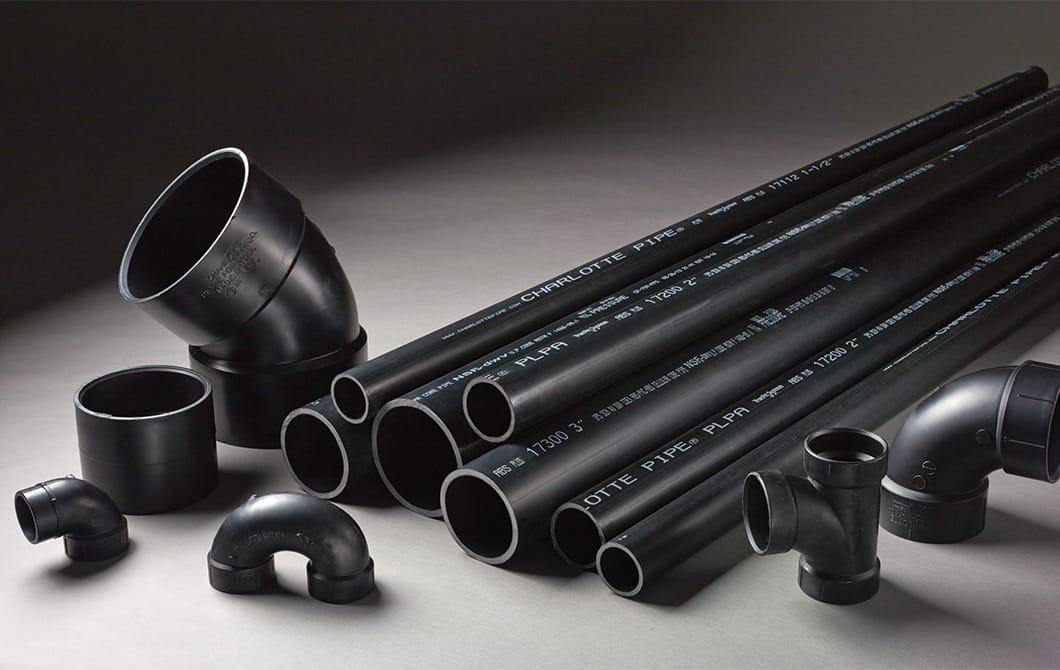
ABS (acrylonitrile butadiene styrene) pipes are another type of plastic piping commonly used for drain and sewer systems.
They are known for being strong and impact-resistant.
✅ Advantages of ABS Pipes
Durable and lightweight
Easier to install than metal pipes
Strong resistance to impact and cold temperatures
❌ Disadvantages of ABS Pipes
Can warp under direct sunlight
Noisier water flow compared to other materials
Not approved in some local building codes
💡 Best For
Underground drainage systems
Sewer and waste lines
💡 Which Pipe Material Is Best?
There’s no single “perfect” plumbing material for every situation. The best option depends on:
Your budget
The age of your home
Water quality in your area
Local plumbing codes
Long-term maintenance goals
For many modern homes, PEX has become a popular choice due to its flexibility and affordability, while copper remains a premium option known for durability and reliability.
Why Professional Installation Matters
Even the best pipe material can fail if installed incorrectly. Proper installation ensures:
Leak-free connections
Safe water flow
Long-term reliability
Compliance with local building codes
A professional plumber can help determine which material is best for your specific needs and ensure the job is done correctly.
Final Thoughts
Understanding plumbing pipe materials can help you make smarter decisions for your home—whether you’re upgrading old pipes, planning renovations, or dealing with recurring plumbing issues.
Each material has its own strengths and limitations, and choosing the right one can improve efficiency, durability, and long-term performance.
👉 Need help with repiping, repairs, or plumbing upgrades? Contact us today for reliable, professional plumbing services you can trust.