Residential vs. Commercial Plumbing: What’s the Difference?
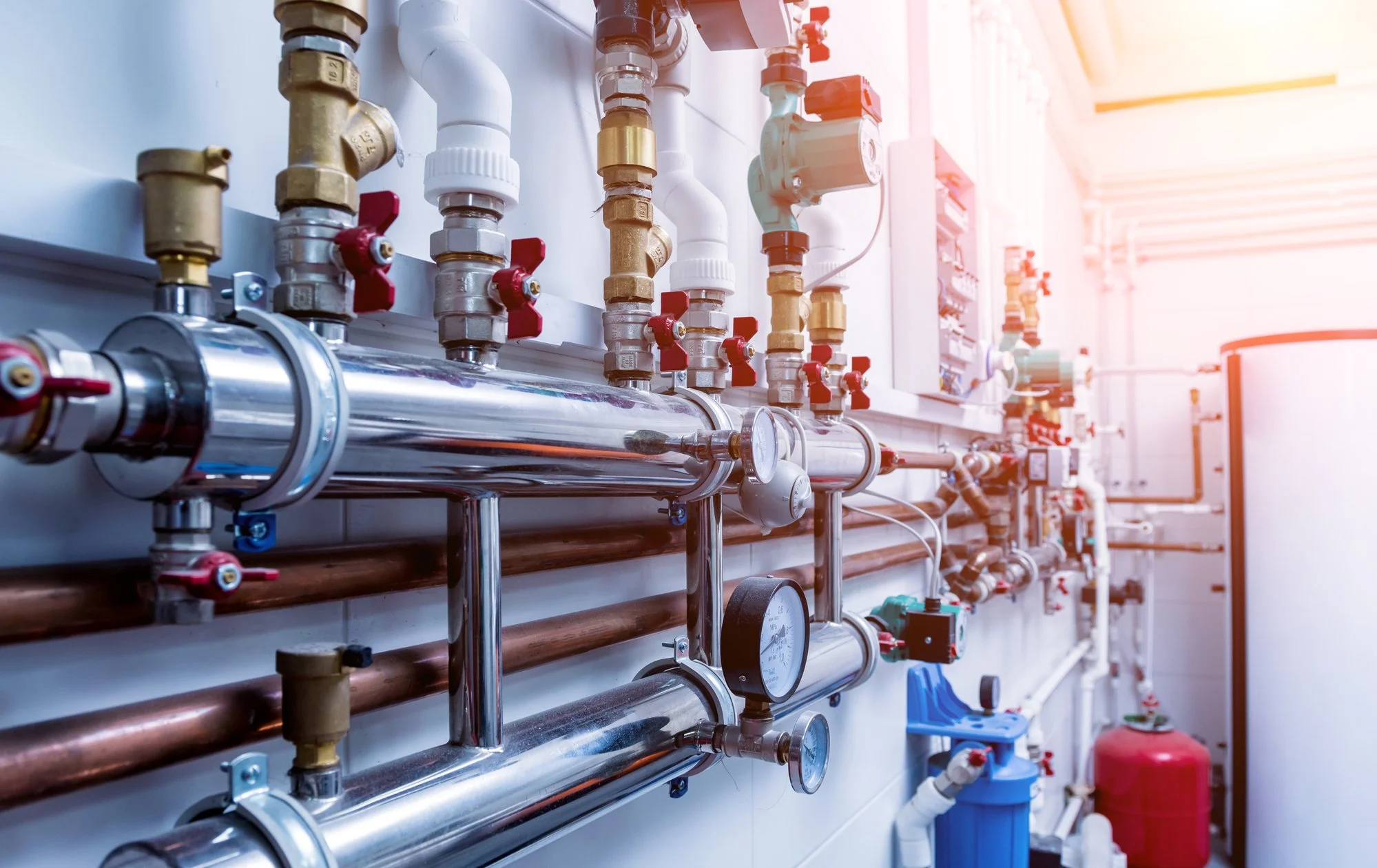
At first glance, plumbing may seem the same everywhere—pipes, drains, faucets, and water systems working together to keep things running smoothly. However, residential and commercial plumbing systems are very different in terms of size, complexity, usage, maintenance, and repair requirements.
Understanding these differences is important whether you’re a homeowner, business owner, or property manager looking for the right plumbing solutions.
In this guide, we’ll break down the key differences between residential and commercial plumbing systems, along with the unique challenges and benefits of each.
What Is Residential Plumbing?
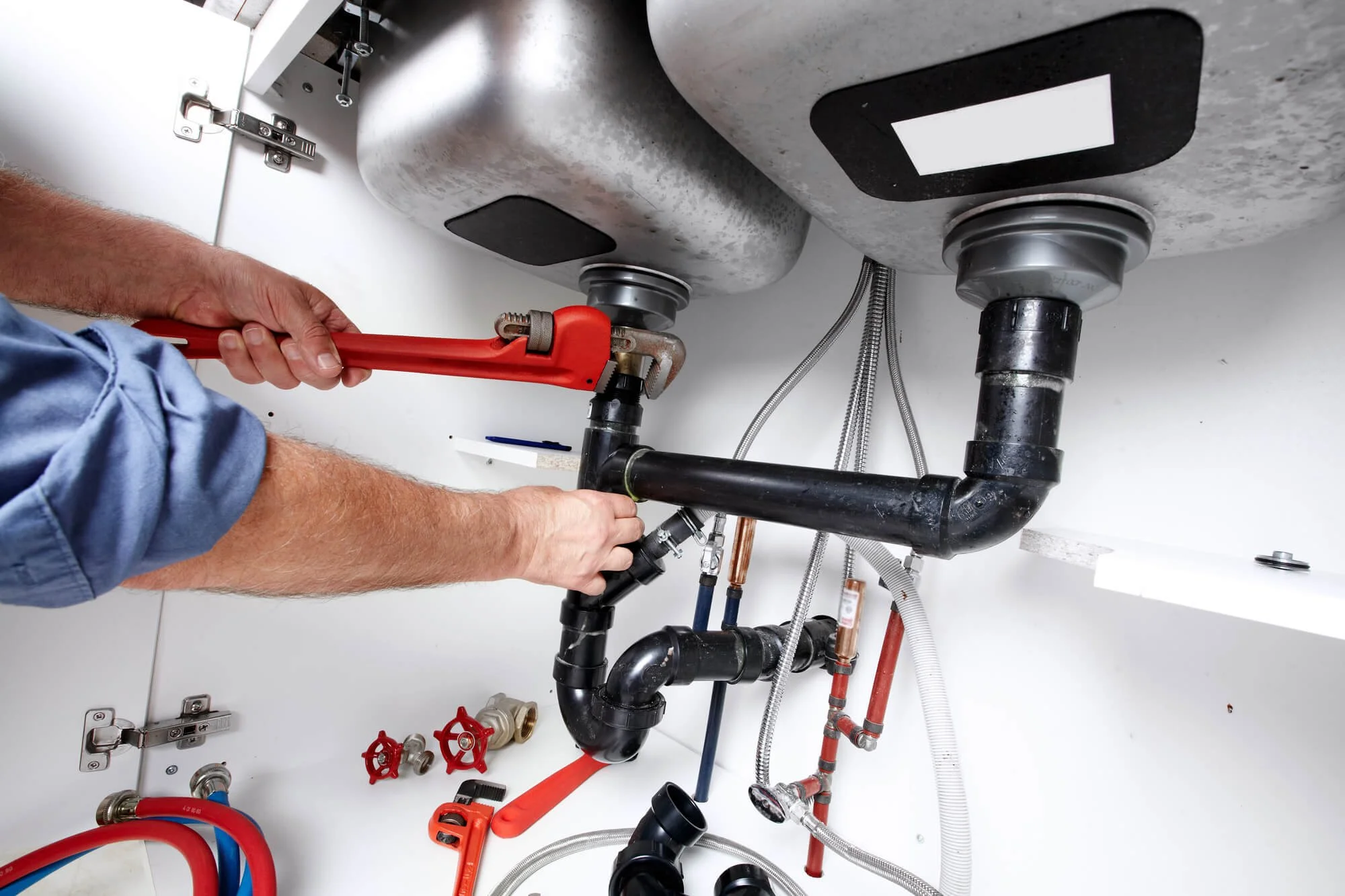
Residential plumbing refers to plumbing systems designed for homes, apartments, condos, and other living spaces. These systems are generally smaller, less complex, and built around the daily needs of families and individuals.
A residential plumbing system typically includes:
Sinks and faucets
Toilets and showers
Water heaters
Kitchen plumbing
Drain and sewer lines
Washing machine connections
Because residential systems serve fewer people, the overall water demand and stress on the plumbing system are usually lower.
✅ Advantages of Residential Plumbing
Simpler System Design
Residential plumbing systems are generally easier to install, maintain, and repair because they are smaller and less complicated than commercial systems.
Lower Maintenance Costs
Since residential systems experience less daily usage, maintenance and repairs are often less expensive.
Faster Repairs
In many cases, plumbing issues in homes can be diagnosed and repaired relatively quickly.
More Accessible Components
Residential plumbing systems are usually easier to access, making inspections and repairs simpler.
❌ Challenges of Residential Plumbing
Older Homes May Have Outdated Pipes
Many older homes still use aging materials like galvanized steel, which can lead to leaks, corrosion, and low water pressure.
DIY Repairs Can Cause Bigger Problems
Homeowners sometimes attempt temporary fixes that may worsen the issue over time.
Hidden Leaks Can Go Unnoticed
Leaks behind walls or under floors may remain undetected until major damage occurs.
What Is Commercial Plumbing?
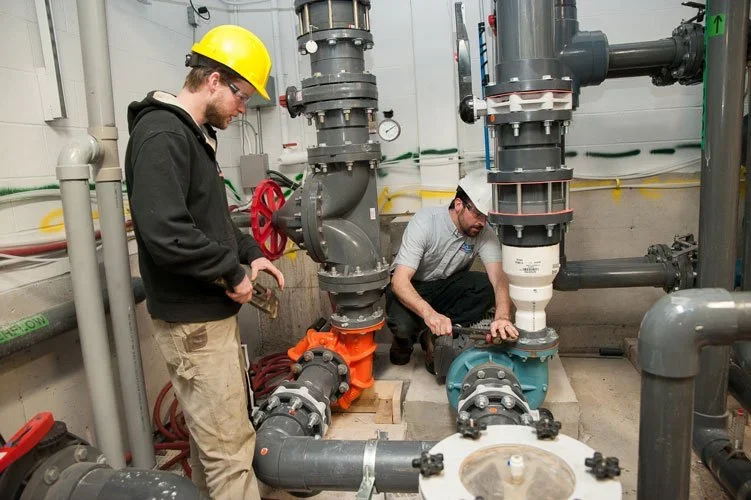
Commercial plumbing systems are designed for businesses, offices, restaurants, retail buildings, industrial facilities, schools, and other large-scale properties.
These systems are significantly more complex because they serve a much larger number of people and must handle heavier daily usage.
Commercial plumbing often includes:
Large water supply systems
Multiple restrooms and fixtures
Industrial-grade water heaters
Grease traps
Fire sprinkler systems
Large sewer and drainage systems
Commercial properties must also comply with stricter building codes and safety regulations.
✅ Advantages of Commercial Plumbing
Built for Heavy Usage
Commercial systems are designed to handle constant use throughout the day without compromising performance.
Advanced Plumbing Infrastructure
Commercial buildings often include larger, more durable systems designed for efficiency and long-term operation.
Scalable Systems
Commercial plumbing systems can often support future expansions or increased demand.
❌ Challenges of Commercial Plumbing
More Complex Repairs
Because the systems are larger and interconnected, diagnosing and repairing issues can be more complicated.
Higher Maintenance Requirements
Commercial systems require routine inspections and preventive maintenance to avoid downtime and expensive repairs.
Business Interruptions
A plumbing issue in a commercial building can disrupt operations, affect employees or customers, and potentially lead to revenue loss.
Strict Code Compliance
Commercial plumbing must meet local safety, health, and building regulations, which often require professional expertise.
Key Differences Between Residential and Commercial Plumbing
1. System Size and Complexity
Residential plumbing systems are smaller and simpler, while commercial systems involve larger networks of pipes, fixtures, and equipment.
Commercial properties often have multiple floors, extensive drainage systems, and higher-capacity water supply lines.
2. Water Usage
Homes typically have predictable daily water usage, while commercial buildings may experience constant or high-volume demand throughout the day.
For example:
A home may have 2–3 bathrooms
A restaurant or office building may have dozens of fixtures in continuous use
This increased demand places more stress on commercial plumbing systems.
3. Maintenance Needs
Residential systems generally require less frequent maintenance compared to commercial systems.
Commercial plumbing requires:
Regular inspections
Preventive maintenance schedules
More frequent drain cleaning
System monitoring
Neglecting maintenance in commercial properties can lead to larger operational issues.
4. Plumbing Fixtures and Equipment
Commercial buildings often use specialized equipment not commonly found in homes, such as:
Grease traps
Commercial water heaters
Industrial pipes
Large sewer systems
Automatic flush systems
These systems require specialized knowledge and experience.
5. Emergency Impact
In residential plumbing, a leak or clog usually affects a single household.
In commercial plumbing, the impact can be much greater—potentially affecting employees, customers, tenants, or business operations.
This is why fast response times and preventive maintenance are especially important for commercial properties.
Final Thoughts
Residential and commercial plumbing systems may serve the same basic purpose, but they operate very differently behind the scenes.
Residential plumbing focuses on comfort and convenience for households, while commercial plumbing is built for larger-scale performance, efficiency, and reliability.
Understanding these differences can help property owners make informed decisions and maintain healthier, more efficient plumbing systems.
👉 Need residential or commercial plumbing services? Contact us today for fast, reliable solutions you can trust.